

Being sick is never fun, and while you’re focused on recovering from a cold or flu, your oral health might be the last thing on your mind. However, does being sick affect your oral health? Absolutely. Understanding how illness affects your teeth and knowing the right steps for dental care during cold and flu season can help you avoid additional problems once you’re feeling better.
How Cold and Flu Symptoms Impact Your Mouth
When you’re under the weather, several factors can compromise your oral health when sick. Dehydration is a major concern, as fever, congestion, and reduced fluid intake all contribute to dry mouth. Your body needs adequate saliva production to neutralize acids and wash away bacteria. Without it, you’re more vulnerable to cavities and bad breath when sick.
Mouth breathing due to nasal congestion also dries out your mouth, creating an environment where bacteria thrive. Meanwhile, sinus pressure can actually make your upper teeth ache, even when there’s nothing wrong with them—the pressure from inflamed sinuses can radiate to your tooth roots.
The Hidden Dangers of Being Sick
Many people don’t realize that common remedies can harm their teeth:
- Cough drops and lozenges: Most contain sugar that coats your teeth, feeding harmful bacteria. Opt for sugar-free lozenges instead.
- Liquid medicine: Cough syrup and other medications often contain sugar and are acidic, contributing to acid erosion.
- Vomiting: Stomach acid is extremely harsh on tooth enamel, leading to significant enamel damage over time.
How to Take Care of Your Teeth When You Have the Flu
Protecting teeth when sick requires some adjustments to your normal routine. Here are essential tips for maintaining dental care during cold and flu season:
Stay Hydrated
Drinking plenty of water helps combat dry mouth and supports your immune system. Staying hydrated keeps saliva flowing, which is your mouth’s natural defense against decay.
Should I Brush My Teeth After Throwing Up?
This is a common question with a surprising answer: wait to brush after vomiting. Stomach acid temporarily softens your enamel, and brushing immediately can cause more harm than good. Instead, use a saltwater rinse or a baking soda rinse to neutralize the acid. Mix one teaspoon of baking soda in a cup of water, swish it around your mouth, and spit it out. Wait at least 30 minutes before gentle brushing.
Choose Your Remedies Wisely
When selecting cold and flu products, read labels carefully. Sugar-free lozenges and medications are better choices for your teeth. If you must take liquid medicine or cough syrup, try to rinse your mouth with water afterward.
Replace Your Toothbrush
Once you’re feeling better, replace your toothbrush. Bacteria and viruses can linger on the bristles, potentially reinfecting you or compromising your oral health.
Practice Gentle Care
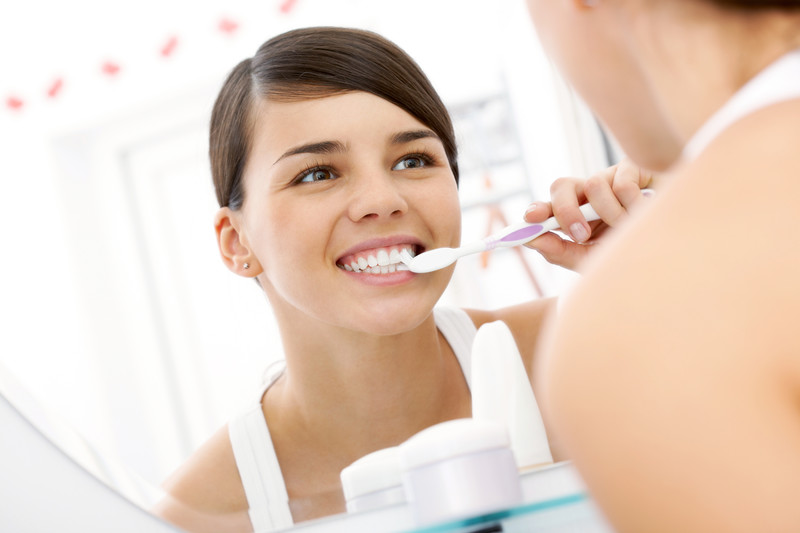
If your gums are sensitive or you’re feeling weak, gentle brushing is perfectly fine. The most important thing is to maintain your routine, even if you’re not feeling 100%.
When to Seek Professional Help
Sometimes illness can lead to dental emergencies. If you experience severe tooth pain, a cracked tooth from coughing, or any dental trauma while sick, don’t wait. The team at Aesthetic Oral Arts offers emergency dental services to address urgent concerns.
Taking care of oral health when sick doesn’t have to be complicated. By staying hydrated, choosing the right products, and knowing when to modify your routine, you can protect your smile even during cold and flu season. If you have questions about how your illness might be affecting your teeth, Dr. Timothy Pfister and our team are here to help. Call us at (315) 724-7121 to schedule an appointment at our New Hartford office.






Leave A Comment
You must be logged in to post a comment.